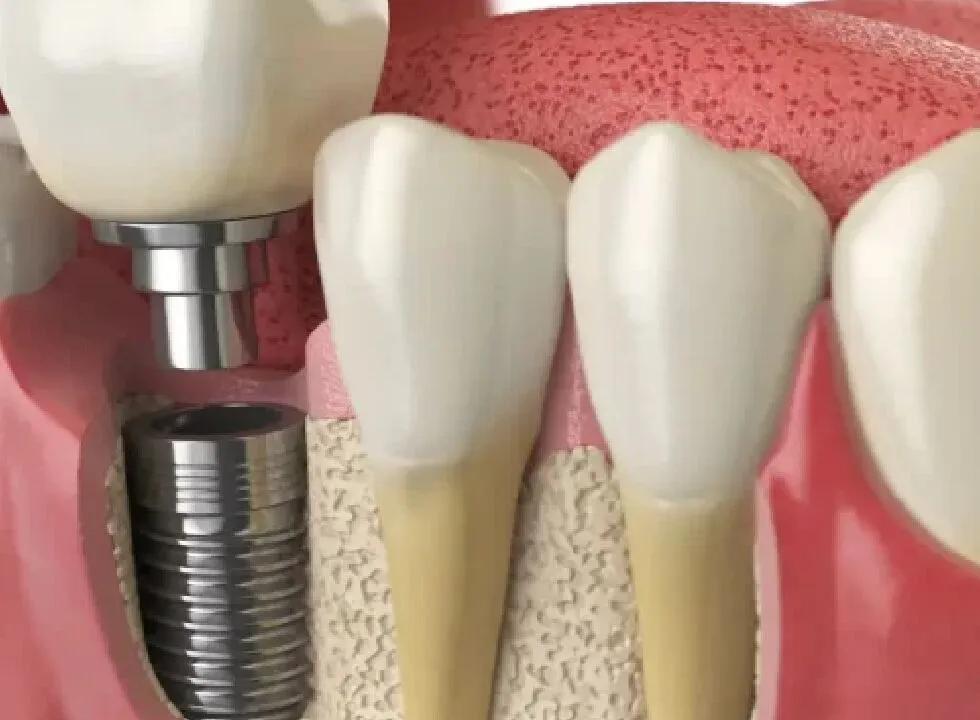
Advancements in technology have made dental procedures more precise, efficient, and comfortable for patients. One of the best developments in recent years is the use of 3D technology in dental implants surgery. This innovation has changed the way implants are planned and placed, leading to improved outcomes and faster recovery times.
Enhancing Treatment Planning with 3D Imaging
One of the benefits of 3D technology in dental implants surgery in Abu Dhabi is its ability to provide highly detailed imaging. Traditional two-dimensional X-rays offer limited perspectives, making it difficult to assess bone structure and nerve positioning accurately.
With 3D cone beam computed tomography (CBCT) scans, dentists can obtain a comprehensive view of the patient’s oral anatomy. This allows for precise measurements of bone density, height, and width, helping determine the best placement for the implant.
By using these high-resolution images, dentists can identify the issue before beginning the surgery. This reduces the risks of unexpected complications and that the implant is positioned correctly. Patients are also informed beforehand about the treatment, as their dentist explains everything by using the images.
Guided Implant Placement for Greater Precision
3D technology has also paved the way for guided implant surgery. With the help of specialized software, dentists can create a virtual surgical guide based on the patient’s 3D scans. This guide serves as a customized template that ensures the implant is inserted at the correct angle, depth, and position.
The use of guided surgery minimizes the risk of errors and reduces the need for extensive incisions, resulting in less trauma to surrounding tissues. As a result, patients experience reduced post-operative discomfort and faster healing times. This approach is particularly beneficial for complex cases, such as patients with limited bone volume or multiple missing teeth.
Improving Patient Experience and Outcomes
The addition of 3D technology in dental implants surgery has improved patient outcomes. Not only does it make the whole surgery easy, but it also contributes to a smoother and more comfortable recovery process. Patients can expect fewer complications, shorter surgery durations, and better long-term implant success rates.
3D imaging and guided surgery will play an even greater role in modern dentistry with time. These innovations have set a new standard for accuracy and efficiency, ensuring that dental implant procedures are safer and more effective than ever before.
About the Author