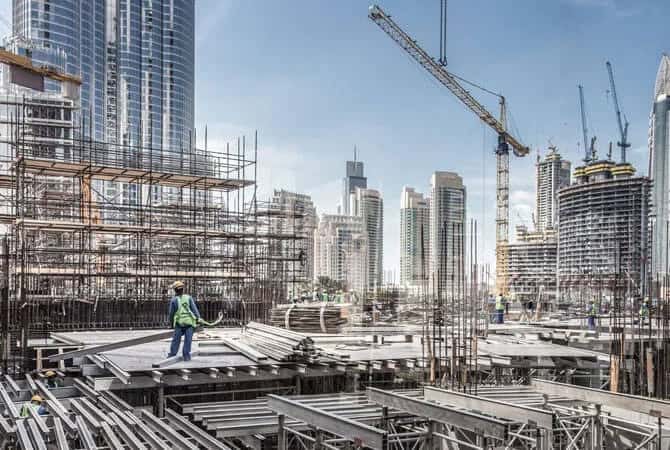
Managing a large group of people on a construction site is a massive challenge. You have dozens of skilled tradespeople, each with their own specialty, all working toward a common deadline. The noise, the weather, the constant movement of materials, it creates a unique environment where clear direction is everything.
When you are responsible for a workforce of this size, small miscommunications can lead to costly delays. Many construction companies in Saudi Arabia succeed or fail based on the strength of their on-site leadership.
Clear communication is the foundation:
Every person on the site needs to know what they are doing and why. Hold a brief meeting each morning to outline the day’s priorities. Speak in plain language and encourage people to ask questions. When instructions are vague, mistakes happen. Ensure your message reaches everyone, from the senior foreman to the newest labourer.
Delegate responsibility to trusted leads:
You cannot personally oversee every single worker. Identify competent team leaders among your electricians, plumbers, and framers. Give them the authority to make small decisions on the spot. This empowers your supervisors and shows the wider team that you trust their judgment.
Keep safety practices simple and visible:
A large team means a higher risk of accidents. Post safety reminders in high traffic areas. Conduct short, unannounced safety checks. When workers see you taking safety seriously, they will follow suit. A safe site is a productive site, and it shows your crew that you value their wellbeing.
Resolve conflicts before they grow:
In a large group, personalities will clash. A disagreement between two workers can slow down an entire phase of the build. Address tension immediately. Listen to both sides calmly and find a fair solution. Letting issues fester will poison the team spirit and hurt morale.
Provide the right tools for the job:
Nothing frustrates a skilled worker like broken equipment or missing materials. Check your inventory daily. Ensure that scaffolding, power tools, and safety gear are in good condition. When your team has what they need, they can focus on quality work instead of hunting for supplies.
Recognize hard work publicly:
People want to feel appreciated. When a crew finishes a task ahead of schedule or handles a difficult problem, acknowledge their effort in front of others. A simple thank you during a team meeting goes a long way. It builds loyalty and motivates everyone to maintain high standards.
About the Author